
Back in 1998, and honestly for decades before that, window coverings had one main job: block the light. Sure, they could add a little privacy and maybe even match the carpet if you were feeling fancy. Homes looked different then. White mini blinds were everywhere, vertical blinds ruled the sliding door, and if the size was close enough, you called it a win.
Fast forward to today. The vibe has shifted completely. Window coverings are no longer an afterthought; they’re part of the design plan. (As they should be!) Here are a few of the things we’ve noticed from our front row seats in the window covering industry.
The Era of “Good Enough”
In the early days, most people grabbed what was on the shelf. Standard sizes. Basic colors. Let the random worker eyeball it and cut it up. Install it, tilt it, done. But as homeowners got savvier (and more design conscious) they started wanting more.
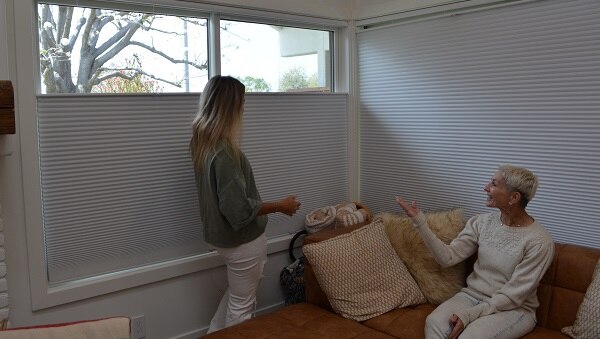
Design trends have always moved in cycles, and by the late 90s the pendulum was swinging back toward cleaner, more streamlined looks. Minimalist styles, a modern nod to mid-century influences, were gaining traction around the time we launched in 1998. With that came clean, minimalist window coverings. Coverings that fit perfectly within the window frame. Hard lines galore. As soon as people experienced custom sizing, there was no going back. A shade that actually fits your window is incomparable. The room looks cleaner. The light feels intentional. The whole space feels more pulled together. That shift from stock to custom changed everything.
That growing demand for made-to-measure solutions is exactly why we set out in 1998 to make custom window coverings easier to shop for online. What started as a smarter way to buy quickly became a whole new standard.

Style Softens Up
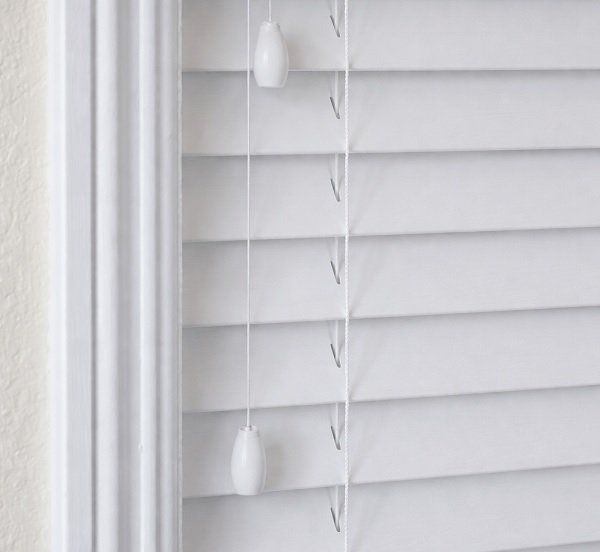
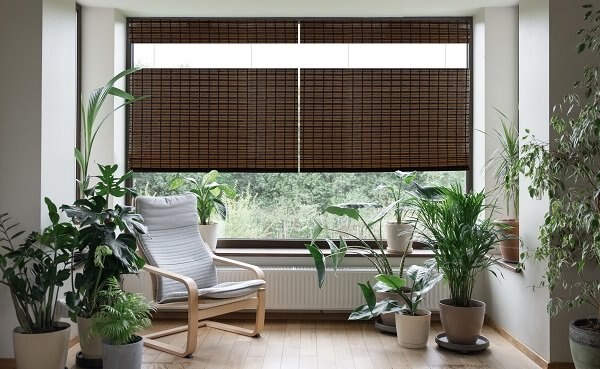
The late 90s loved a hard line. Metal minis. Chunky verticals. Lots of bright white. Then rooms started warming up. Roman shades came in and suddenly living rooms felt layered and cozy. Woven woods added texture you could actually feel. Roller shades gave modern homes that clean, uncluttered look designers were chasing.
This shift wasn’t overnight. Window treatments had already been evolving throughout the late 20th century from purely functional pieces into design elements, and by the early 2000s that mindset really took hold in everyday homes. One customer told us her new sheer shades made her afternoon light feel like “golden hour all day.” That was exactly the point! Window coverings stopped just blocking light and started shaping it.
Energy Efficiency Gets Real
At some point, everyone has that one room. The bedroom that is freezing in winter. The office that turns into a sauna by 3PM. That is when “energy efficiency” stopped being a buzzword and became personal.
Cellular shades quickly became household heroes. That honeycomb design traps air and helps regulate temperature in a way people can actually feel. As energy costs and awareness grew in the early 2000s, insulating window treatments moved from a “nice bonus” to a must-have. The energy savings were undeniable. Comfort became part of the conversation, not just color and style.
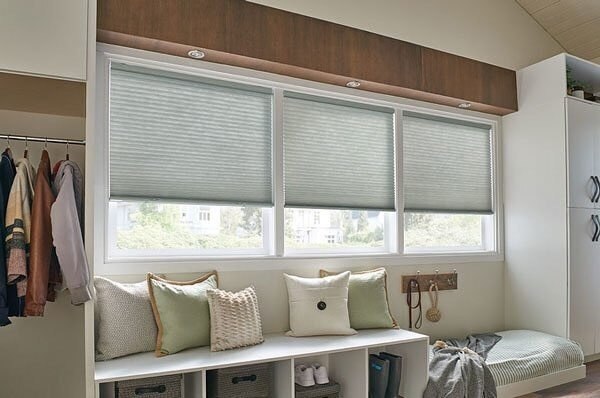
Cordless Became the Standard
This was one of the biggest recent turning points we’ve seen. For years, lift cords were just part of the package. You didn’t think twice about them… until it was time to adjust the blinds. In those moments they were instantly and universally hated. Turns out they were more than just annoying. They were also dangerous. As safety awareness grew, especially in homes with young kids and pets, the industry responded. By the early 2020s, cordless designs had moved from upgrade to expectation, and updated 2024 safety standards made cordless window coverings the default across the industry. Call it a global glow up.
Suddenly windows looked cleaner. No dangling cords, no tangles, and, most importantly, no second guessing in the nursery or playroom. One mom told us installing cordless shades was the first time she felt like she could fully relax about the kids’ rooms. That peace of mind matters. It has always mattered to us (really, look how old some of these pages are). What started as a safety move quickly became a design win, too.
Homes Get Smarter
Once cordless became normal, motorization and smart home connectivity felt like a natural next step. Now we see customers setting their shades to rise with the morning sun in the kitchen. Lowering automatically in west-facing living rooms before the afternoon heat kicks in. Closing the bedroom with a tap from bed.
It is not about being flashy (mostly). Connecting your blinds and shades to your smartphone or Alexa device is really about daily life feeling easier. One less thing to manage and one more thing your home can handle for you.
Personal Style Takes the Lead
Mid-1990s America lived in the world of white, off-white, or wood tone window blinds. Today, customers come in with paint swatches, Pinterest boards, and a very clear point of view. Soft taupes. Warm sands. Textured neutrals. Layered looks that mix shades with drapery. People want their windows to feel finished, not just covered.
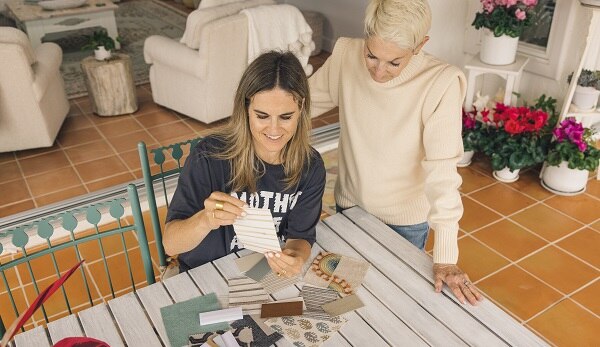
Your confidence level is higher than ever. Customers measure their own windows. Order samples. Compare fabrics in morning light versus evening light. What once felt intimidating now feels totally doable, which was exactly our goal when online custom ordering first entered the scene.
Even with all the innovation, one truth has not changed: window coverings quietly shape how a home feels every single day. They decide whether your Sunday sleep-in lasts longer. They soften the glare during movie night. They give you privacy when the lights come on after sunset. They work in the background, but the impact is front and center.
Window coverings will keep evolving right alongside our homes. They will get smarter and cleaner. They will get more tailored to your life as it evolves. And we will be right here, still watching the light change, still helping you find the perfect fit, and still a little amazed at how far things have come since we first got our start online in 1998.