

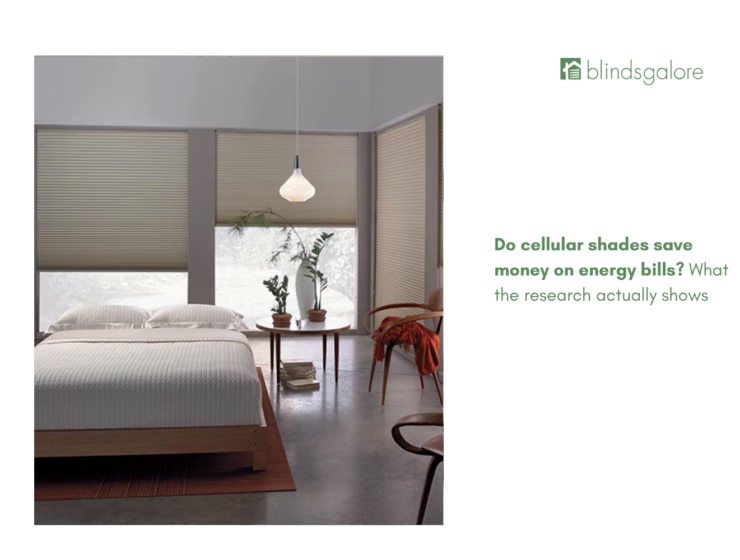
…ent matches the energy performance of a well-fitted cellular shade. Single Cell vs. Double Cell: The Core Difference Single cell shades have one layer of honeycomb pockets. Double cell shades stack two layers together, doubling the trapped air and the insulation barrier. More trapped air means better temperature regulation. The details matter when deciding which fits your situation. Energy Efficiency According to the U.S. Department of Energy, tig…
Search Results for: Cell

…heavily You prefer lighter-weight shades that are easier to operate Single cell cellular shades still provide good insulation and all the other benefits of honeycomb construction. They’re not a compromise. They’re just optimized for different situations. Room-by-room recommendations Here’s how we typically guide customers: Bedrooms: Double cell for master bedroom, single cell for guest rooms Living spaces: Single cell works well in most cases Larg…
…shades have one row of air pockets. Double-cell shades stack two rows, and cell-in-cell designs nest one inside another. More cells means more trapped air and more insulation, with a slightly thicker stack at the top of the window when raised. Cell size Cell size is measured across the face of the cell, commonly from about 3/8 inch to 3/4 inch. Smaller cells suit shallow window frames and narrow windows, where a large cell looks out of proportion….
…cause they stack two layers of air pockets instead of one. Features Single-cell Double-cell Construction One layer of honeycomb pockets Two layers of honeycomb pockets Insulation Solid Better, with a higher R-value Profile Slimmer; fits shallow window frames Slightly deeper stack Best for Moderate climates, smaller windows Cold winters, hot summers, drafty or older windows Choose double-cell for bedrooms on exterior walls, large glass, and climate…

…cy sounds like heavy traffic, and they won’t soundproof a window. A double-cell cellular shade mounted snugly inside the frame, layered with floor-length lined drapery, gives the most noise reduction you can get from window treatments. For bigger results, address the window itself by sealing gaps or adding an acoustic insert. No. Soundproofing requires mass and an airtight seal, and lightweight fabric shades have neither. Cellular shades absorb so…

…550-4750 for help choosing the right noise-reducing treatment. FAQs Double cell blackout cellular shades combined with heavy lined drapery provide the strongest noise reduction available from window treatments. The honeycomb cells trap sound in air pockets while the drapery adds dense fabric mass. Layering both together creates multiple barriers that noticeably reduce street noise, traffic sounds, and neighboring conversations. Yes. Blackout fabri…

…th directions, keeping rooms warmer in winter and cooler in summer. Single Cell vs. Double Cell: What Changes? Single-cell shades feature one row of honeycomb chambers. Good entry-level insulation, lighter in weight, and a strong fit for mild climates or rooms where energy loss is moderate. Double-cell shades stack two rows of chambers. More air pockets mean better insulation. For homes with real seasonal temperature swings, double cell delivers a…

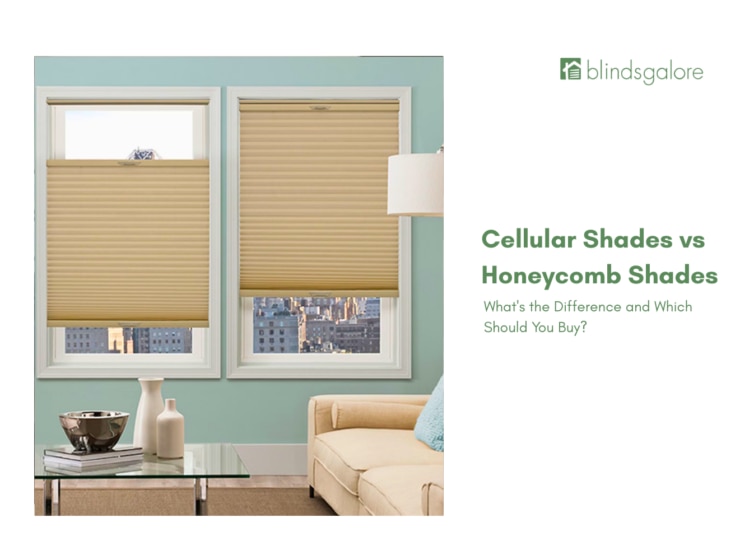
…are window coverings made from pleated fabric that forms honeycomb-shaped cells. These cells trap air, creating insulation that helps regulate room temperature while providing privacy and light control. Yes, these terms are used interchangeably. Both refer to window treatments with fabric cells that trap air for insulation, with the “honeycomb” name describing their distinctive side profile. Single cell shades provide good basic insulation and ar…