
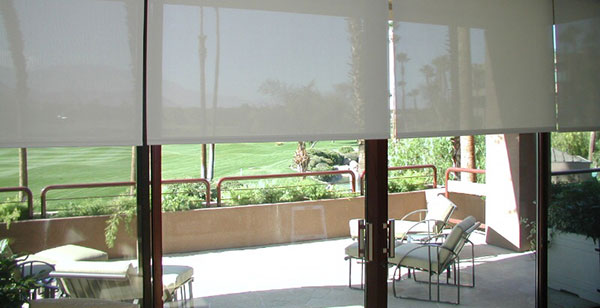
As the days get longer and the sun sits higher in the sky, the heat and glare coming through south- and west-facing windows become impossible to ignore. Solar shades, sometimes called solar screens, cut incoming UV rays, reduce radiant heat, and tame glare, all while keeping your view to the outside.
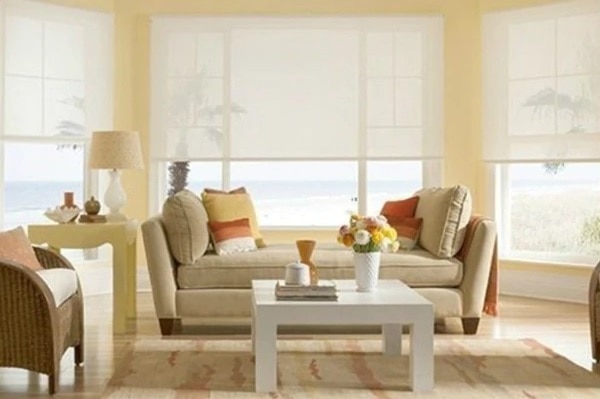
What openness factor should you choose for solar shades?
Openness factor is the percentage of the weave that is open space. A lower number means a tighter weave, which blocks more light, heat, and UV but gives you less view through. Our solar shades come in openness factors from 1% to 10%.
| Openness factor | Light and view through | Best for |
|---|---|---|
| 1%–3% | Least light and view, most heat and glare blocked | Media rooms and west-facing rooms with intense afternoon sun |
| 4%–5% | Balanced light filtering with a clear view | Living rooms, kitchens, and most everyday rooms |
| 10% | Most view through, lighter heat block | Rooms where the outdoor view matters more than maximum heat block |
At 1% openness, a solar shade blocks 99% of light and UV. At 10%, it still stops 90% of harmful UV rays while you see almost entirely through the fabric. For a deeper walk-through, see What Are Solar Shade Openness Factors?, then browse the full range of solar shades.
Quick Tips
If you are thinking about solar shades, know that the material has an openness factor which relates to tightness of the weave. Material with a looser weave will have a higher openness value, such as 15%, meaning it offers more view through but also allows more light to pass through. Conversely, a low openness factor blocks more light and provides less view through. Also, keep in mind that choosing a lighter color solar shade, such as white or cream, will reflect light, brightening and cooling the room. The view through a light colored fabric is similar to looking through sheer drapes. Darker colors, such as chocolate brown or black, will provide the best glare reduction and warm the room with ambient heat. Choosing dark solar screen colors resembles the view that you get from a tinted window. On my patio doors, I had to install two layers of solar screens, one light and one dark, as bright construction lights at night from across the lagoon, shine right into bedroom from 9 pm to 5 am. Yuck! Not only does this double layer keep the blinding spotlights out of my room, but also reduces the blasting noise of the 5O-foot-high construction cranes digging all night long.
In The Living Room
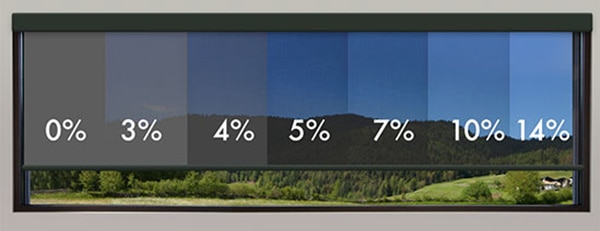
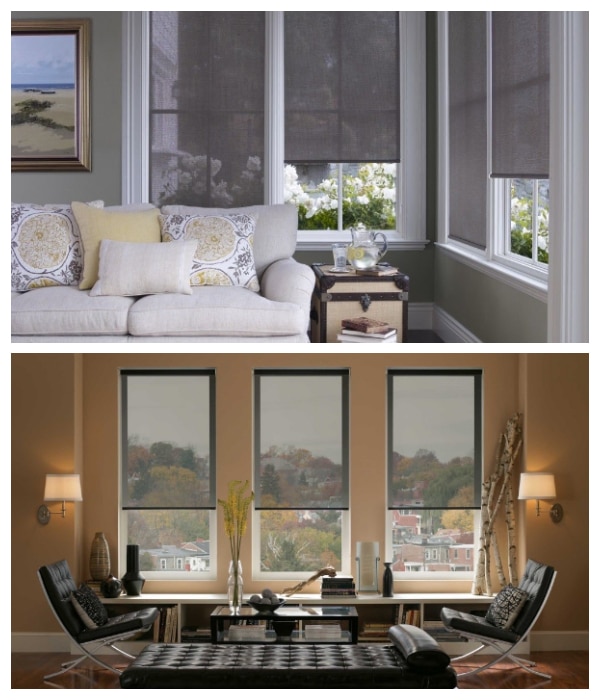
A popular room for solar shades is the living room. They won’t only reduce the glare in this room, but also provide much-needed protection for your art and other furnishings from damaging UV rays. If harsh incoming light is preventing you from relaxing and enjoying this social space in your home with your friends and family, solar shades are a simple solution to control the inflowing light and heat. The view to the outside will be preserved and the shades can always be paired with drapery to increase privacy in the evening with a level of sophistication. Another benefit of pairing with a set of drapery panels is that solar shades do not provide privacy at night when indoor lights are on and drapery panels can easily be drawn for complete privacy. Together, solar shades and drapery are versatile and extremely functional for both day and night.
In The Office
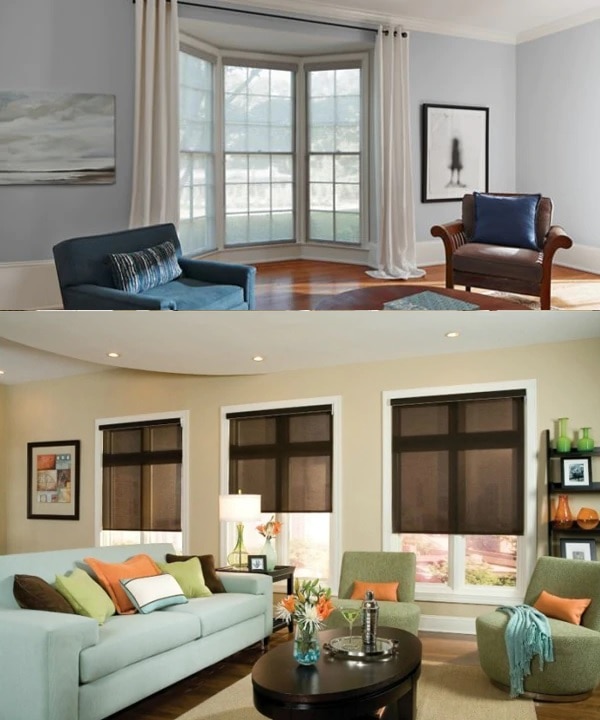
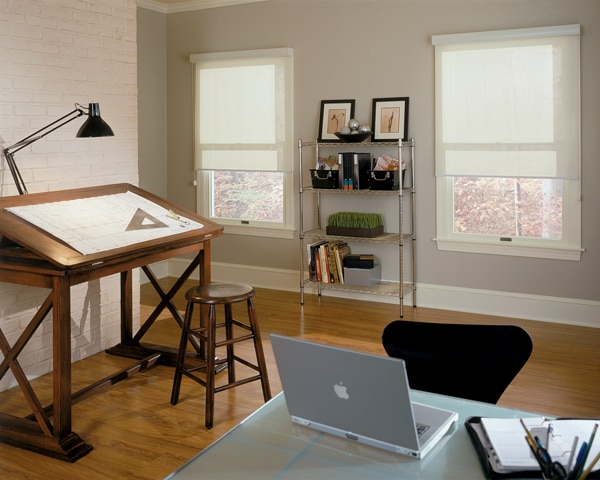
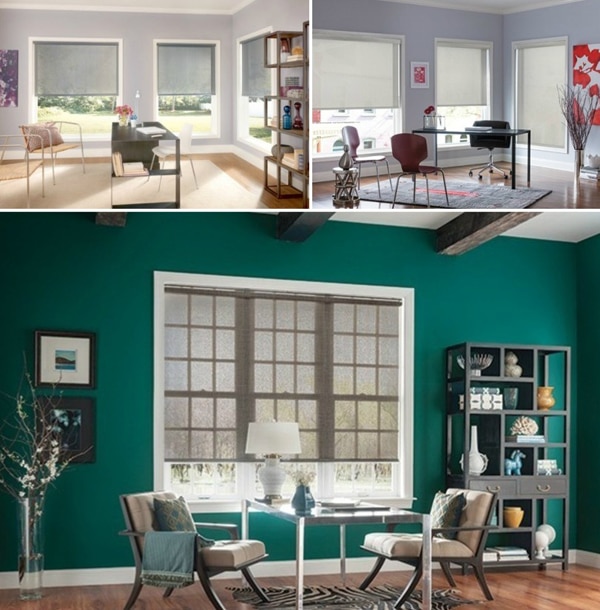
It makes it very difficult to work if you can’t see your computer monitor or are constantly having to refocus your eyes due to the glare from the windows. Solar shades are an excellent application in your home workspace, now more than ever. Our home offices have become a focal point for many of us, as I had to create a new corner for work. Our garage has become my new office, among two scooters, a vintage motorcycle, my grandson’s skate board, a fully loaded tool bench, sewing machine and now, a new niche for me, in front of my old patio solar shade,
newly mounted in the middle of the garage to to shade my funky desk from all these distractions. I hope you are able to carve out a better workplace with new solar shades to reduce the sun’s glare, yet keep you engaged with light softly filtering in through the windows. Whether you have a quaint home office or a make-shift little spot, or if you are still in a corporate office, solar shades will help to create a comfortable place for productive work.
In The Kitchen And The Dining Room
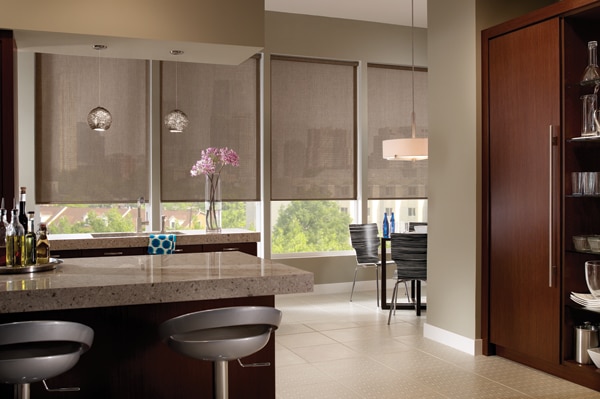
Solar shades are a superb option for the kitchen windows and dining areas. It’s hot enough when you’re cooking that you don’t need the invasive sunlight heating up the room to an even more intense level. Also with the change in seasons, the patterns of the sun change. Some months it may be very pleasant to dine in your kitchen or breakfast nook with the shades up, but when spring and summer roll around, that sun may be just the right height to annoy you and prevent you from enjoying together time with your family. Solar shades cleverly cut down on the harsh light and help to control inside temperatures while still allowing you to observe the view with a minimal, modern window covering.
Embrace the warm weather and these longer, luxurious nights, for everything else seems so uncertain now. You can keep your home cool and sheltered as you linger during a few moments of grace where a new destiny awaits us. Your home is the one safe hangout, so make it the relaxing place where these new, unique memories will be revealed.
Feature Image Product: Prorab
Ready to cut the glare and heat in your home? Browse our solar shades or order up to 10 free samples to compare openness levels and colors before you buy. Love your view.
Frequently asked questions
Both. Solar shades block 90% to 99% of UV rays depending on the openness factor, and they reduce radiant heat coming through the glass, so they handle heat and glare together.
Lighter colors reflect more incoming heat, which is why we recommend them for indoor use when cooling is the goal. Darker colors cut glare harder and give you a clearer view out, though they absorb more heat into the room.
Yes. Solar shades are available with motorized control, which makes large or hard-to-reach windows easy to adjust and lets you schedule shades to close before the afternoon sun hits.
Yes. Every solar shade is made to your exact measurements, including oversized picture windows. For sliding glass doors, a side-sliding treatment works better, since a shade has to be fully raised every time you open the door. Our patio and sliding door collection covers those options.
Exterior screens stop heat before it reaches the glass, so they block more heat gain, while interior shades are easier to adjust and protected from the weather. Our comparison of interior and exterior solar screens covers the tradeoffs.