
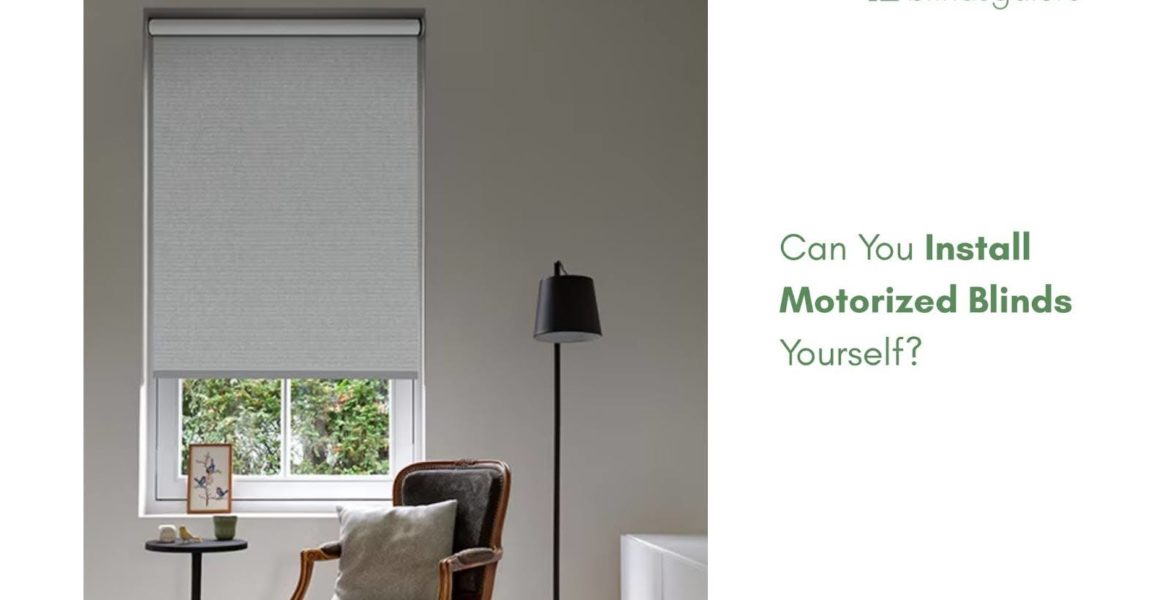
Staring at a box of high-tech shades often leads to wondering if an engineering degree is necessary to get the product on the wall. The answer is no. While the technology inside has advanced, the actual installation process remains surprisingly simple. In fact, 99% of our customers measure and install window coverings without professional help.
Adding automatic blinds to a home is less about complex wiring and more about following a few simple steps. Modernizing a living room or adding convenience to hard-to-reach windows is a project manageable for almost anyone. Doing the work personally saves money and provides the satisfaction of watching a home get smarter by the minute.
Note: It’s probably worth reiterating that installing motorized blinds is almost identical to installing non-motorized blinds. No extra hassle!
Is Installing Automatic Blinds Hard? Assessing Your Skills
Before grabbing a drill, knowing what the project entails is helpful. Most modern systems are designed for the average homeowner rather than a licensed electrician.
- Battery-Powered: A gold standard for DIY projects. Installing battery options requires no electrical work and mimics standard shade installation. Renters and beginners will find battery power ideal.
- Hardwired: Continuous power is the benefit here, but handling electrical wiring is required. If using a voltage tester feels uncomfortable, sticking to battery or solar options is wise.
For those replacing old treatments to make room for the new, check our guide on How to Take Down Blinds the Easy Way to ensure a clean start.
What Tools Do You Need for Installing Electric Blinds for Windows?
A massive toolbox is not required. Installing electric blinds for windows typically needs just a few household staples. Gather the following items to keep the process smooth:
- Steel Measuring Tape: Precision is key. (Need a refresher? Read our Blinds and Shades for Common Window Sizes).
- Power Drill: Drill bits appropriate for the wall type (wood, drywall, etc.) are necessary.
- Screwdriver: Phillips and flathead.
- Level: Ensuring the shade hangs straight prevents future issues.
- Pencil: Used for marking bracket holes.
- Sturdy Stepladder: Safety first!
Step-by-Step: How to Hang Motorized Window Shades
Once the tools are ready, the process is straightforward. Here is a roadmap to success.
1. Unbox and Charge
Before mounting anything, unbox the motorized window shades. Most plug-and-play motors have a built-in battery. Plug the motor into the charger and ensure a full charge before hanging the unit up. Charging immediately after installation can be a hassle, so do this first.
2. Mark and Mount the Brackets
Measure about 4 inches in from each end of the headrail location and mark pilot holes with a pencil. Use a level to ensure marks are perfectly straight. Drill pilot holes and secure the brackets with the included screws.
- Pro Tip: Dealing with a unique door situation? Specific advice is available on How to Install Blinds on a Sliding Glass Door or French Door Blinds.
3. Snap the Shade in Place
Insert the headrail into the brackets. Depending on the model, a “click” (L-shaped brackets) might be audible, or turning a tab to lock the unit in (swivel brackets) might be required. Ensure the fit feels secure before letting go.
4. Connect the Power
Connect the power cord now if the shade uses an external battery pack or solar panel. Crucial Note: Ensure the antenna cable is left exposed and not tucked behind the metal headrail, as blocking the antenna weakens the remote signal.
How Do You Set Up Remote Control Blinds and Smart Hubs?
The physical work is done. Now comes the fun part: bringing the remote control blinds to life.
Setting Limits and Channels
Setting “limit switches” teaches the motor where to stop at the top and bottom of the window. Follow the specific instructions included with the product, as variation exists between brands.
Smart Home Integration
Pairing shades with a smart hub unlocks voice control and scheduling. We support top-tier hubs like Bali Gateway, Levolor InMotion, Connector Smart Hub, MotionBlinds, and Smart Blinds.
Imagine scheduling shades to rise with the sun or lower automatically for movie night. If layering this look for a theater feel is the goal, pair shades with Large Window Curtains Living Room.
Care Instructions: How to Maintain Motorized Blinds
New investments need a little care to keep running smoothly. Crucial Note: We would never advise customers to ever submerge their blinds or shades in water. The rule applies to blackout fabrics, light filtering materials, and especially motorized systems. Water destroys the internal circuitry of the motor.
For routine cleaning, a light dusting or vacuuming with a brush attachment is perfect. For more detailed care, check our Easy Cleaning Hacks for Window Blinds or learn How to Clean Wood Blinds if natural materials were chosen.
FAQs
Yes! Most motorized options are designed specifically for DIY installation. Using a drill and a level is generally all the skill required. For extra confidence, visit our Install Page for detailed guides and resources.
Absolutely. Lacking dangling cords makes motorized window shades the safest option for homes with children and pets. Read more about cat-proof blinds to see why we recommend cordless options.
Motorized shades serve as excellent solutions for sunrooms where glare is an issue but windows are hard to reach. See tips on What to Consider When Choosing Sunroom Blinds.
Yes, though vertical applications differ slightly. We generally recommend motorized drapery or vertical cellular shades for large openings. Check out our guide on How to Install Blinds on a Sliding Glass Door.
Ready to modernize your home? Browse our full collection of Motorized Window Treatments. From sleek rollers to insulating cells, we have the perfect automatic solution for your windows. Custom shades can be shipped out in as little as 5–7 business days, and shipping is free across the continental U.S.