

…ciency, I know you will want to understand how these shades differ. Single cell cellular shades have one row or layer of cells. These shades provide some insulation but are lower in R Value which is the measure of resistance to heat flow through a given thickness of material. Generally, the higher the R Value, the greater the resistance. Use these shades in places where insulation from heat and cold are not of prime importance. Since these Single…
Search Results for: Cell

…your windows to keep warm air in and cold air out. Choose between a single cell or double cell, depending on how much insulation you desire. Perfect for blanketing your windows and regulating inside temperatures all year long! There are two aspects to consider when increasing energy efficiency. R-Value The R-Value refers to the shade’s ability to insulate. A higher R-Value indicates a more robust insulating shade that will keep energy bills low. I…

…ness, choose blackout honeycomb blinds with side tracks. 2. Pick the Right Cell Size: Larger cells offer more insulation. Double-cell shades provide even better energy efficiency. 3. Choose a Control Type: Cordless, motorized, or top-down/bottom-up for flexibility and safety. 4. Select Color and Fabric: Lighter colors reflect heat, darker colors block more light. Order free samples to see how each color looks in your space. 5. Measure Carefully: A…

…ections. Single-cell options work well for moderate climates, while double-cell motorized cellular shades offer the best energy efficiency. Pairing that kind of insulation with motorization means shades adjust automatically at optimal times, day after day. For anyone weighing the differences between window covering types, the post Shades vs. Blinds: What’s the Diff? breaks down the key distinctions. Summer Cooling Strategy During hot months, autom…

…cell and double-cell options layering even more insulating pockets. Double-cell blackout cellular shades are the most insulating common window treatment on the market, which is why they’re the default recommendation for bedrooms in cold climates. Our How to Clean Honeycomb Blinds walkthrough covers maintenance. Shutters still have advantages that cellular shades don’t. The hard panel provides a more decisive light and privacy barrier. The look is…
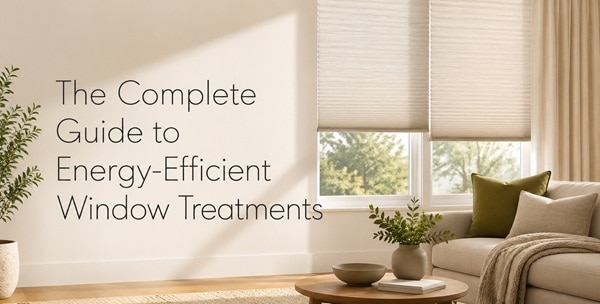
…of the smartest upgrades for any window in your home. Best Choice Overall: Cellular Shades Cellular shades, also called honeycomb shades, are generally the strongest interior choice for year-round insulation. Their pleated fabric forms pockets that resemble a honeycomb from the side, trapping air and slowing heat transfer. Single-cell shades have one row of honeycomb pockets. Double-cell shades have two and generally trap more air. According to th…
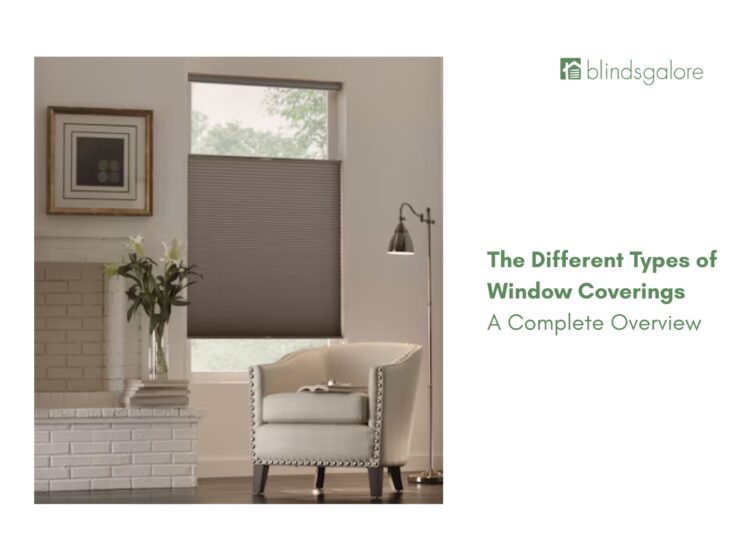
…ellular shades the most energy-efficient window covering available. Single-cell designs suit standard rooms, while double-cell options add extra insulation for extreme climates. Roller shades Roller shades use a single panel of fabric that rolls up into a tube at the top of the window. The look is clean, modern, and minimal. Roller shades come in light-filtering, room-darkening, and blackout fabrics, making them one of the most versatile shade typ…
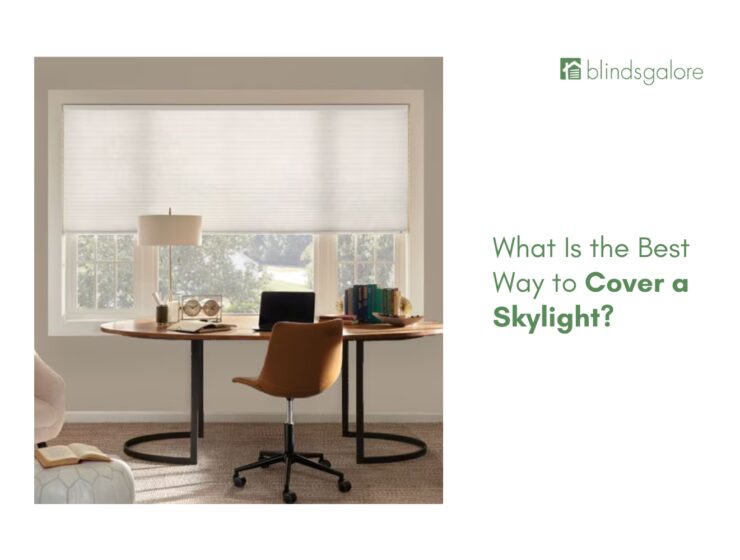
…sagging that would happen with a standard shade mounted overhead. Skylight cellular shades Skylight cellular shades are the top choice for most skylights. The honeycomb air pockets insulate the glass, slowing heat transfer in both directions. In summer, they reduce heat gain and block glare. In winter, they hold warmth inside the room. The cellular construction also absorbs sound, which helps in rooms with hard floors and high ceilings where skyli…