
Window coverings fall into four main categories: shades, blinds, shutters, and drapery. Within each category, the options split further by material, light control, and the kind of room they suit best. Knowing which type does what saves hours of browsing and prevents ordering a treatment that looks beautiful but does the wrong job for the window it covers.
Here is the complete overview of every type of window covering, organized by category and matched to the rooms where each one belongs.
What are shades?
Shades are soft window coverings made from fabric or woven material that raise and lower as a single panel. Unlike blinds, shades do not have individual slats that tilt. The fabric itself controls the light, and the opacity depends on the material chosen, from sheer to blackout.
Cellular shades
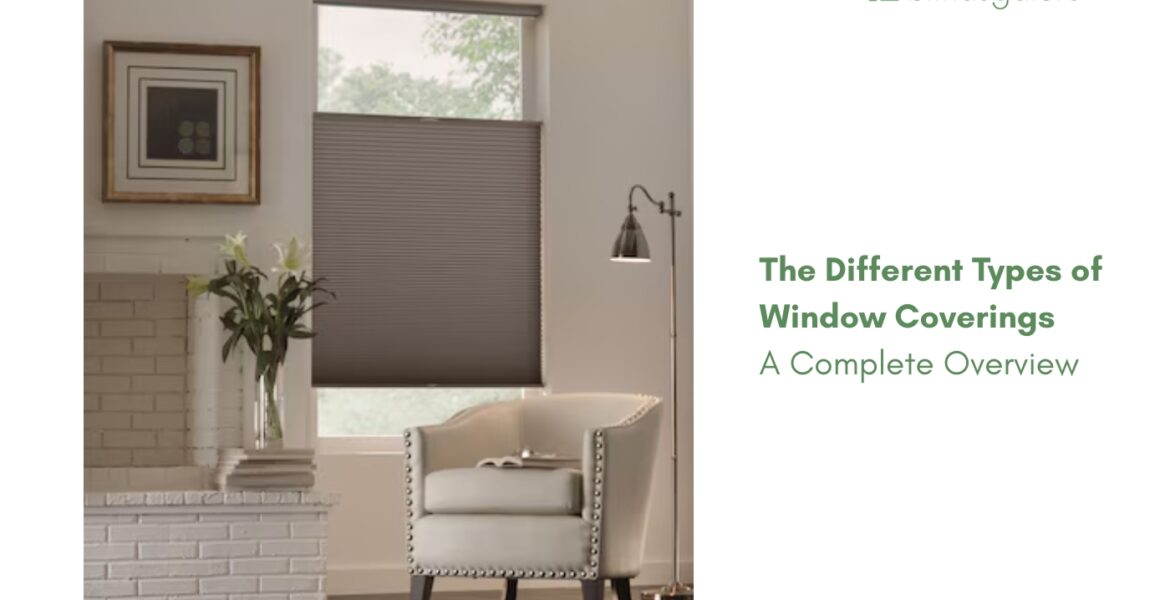
Cellular shades, also called honeycomb shades, use a multi-layered fabric structure that forms air-trapping pockets. The pockets insulate the window, making cellular shades the most energy-efficient window covering available. Single-cell designs suit standard rooms, while double-cell options add extra insulation for extreme climates.
Roller shades
Roller shades use a single panel of fabric that rolls up into a tube at the top of the window. The look is clean, modern, and minimal. Roller shades come in light-filtering, room-darkening, and blackout fabrics, making them one of the most versatile shade types across every room.
Solar shades
Solar shades, also called solar screens, use an open-weave fabric that reduces heat and glare while preserving the view through the window. The weave blocks UV rays without blocking the sightline, which makes solar shades ideal for sun-facing living rooms, home offices, and sunrooms. The guide on Hello Sunshine, Goodbye Glare covers how solar fabric manages heat across different window orientations.
Roman shades
Roman shades fold into soft horizontal pleats when raised, adding a tailored, decorative finish to the window. The folded fabric brings warmth and texture that flat shades do not, which makes Roman shades the treatment of choice for bedrooms, dining rooms, and design-forward spaces.
Woven wood shades
Woven wood shades are made from natural fibers like bamboo, jute, reeds, and grasses. The organic texture brings an earthy, handmade warmth that suits coastal, bohemian, and modern-organic interiors. One caution: natural fibers are sensitive to moisture, so woven wood shades are not recommended for bathrooms or kitchens.
Sheer and dual sheer shades
Sheer shades layer translucent fabric for soft, diffused light and partial privacy. Dual sheer shades, also called zebra shades, alternate opaque and sheer bands that align to filter light or stack to block it, giving flexible control from a single shade. The guide on Dual Sheer Shades digs deeper into how the banded design works.
Pleated and outdoor shades
Pleated shades use a single folded fabric layer for a clean, budget-friendly look similar to cellular shades but without the insulating air pockets. Outdoor shades are built from weather-resistant materials for patios, porches, and pergolas.
What are blinds?
Blinds are window coverings made from hard materials, including wood, faux wood, aluminum, or vinyl, with individual slats that tilt for precise light control and lift to clear the window.
Faux wood and wood blinds
Faux wood blinds use composite slats that resist moisture and suit every room. Wood blinds use natural hardwood for a warmer, richer look in dry rooms. The guide on Bamboo vs Wood Blinds covers how natural versus engineered materials compare.
Vertical and panel track blinds
Vertical blinds use vanes that slide side to side, making them the go-to for sliding doors and wide windows. Panel track blinds offer a wider, more modern alternative with fabric panels on a track. For a broader look at rental-friendly setups, the guide on the Best Blinds for Airbnb and Vacation Rentals covers multi-room planning.
Mini blinds
Mini blinds use thin one-inch aluminum or vinyl slats. The slim profile suits kitchens, bathrooms, and budget-focused projects.
What are shutters and drapery?
Shutters and drapery sit at opposite ends of the window treatment spectrum, one rigid and architectural, the other soft and flowing.
Shutters use louvered panels that swing open and tilt for light control. Shutters are the most permanent, most durable, and most insulating hard treatment available. Skylights and arched windows each have their own specialized options that standard treatments do not fit.
Custom drapery uses fabric panels hung from a rod or track. Drapery adds softness, color, and a sense of height that no hard treatment can match, and it layers beautifully over blinds or shades for both design impact and functional light control.
For renters and anyone who cannot drill into walls, no-drill shades clip into the window frame without screws or brackets, and motorized shades offer remote and smart-home control for hard-to-reach windows. The guide on Motorized Shades and Blinds covers what automation looks like across treatments, and the Ultimate Guide to Window Treatments puts every category in context.
How to choose the right type
The room decides the treatment:
- Moisture-heavy rooms (kitchens, bathrooms): faux wood or aluminum
- Energy-conscious rooms: cellular shades
- Sun-facing rooms: solar shades
- Design-forward rooms: Roman shades or drapery
- Rental rooms: no-drill shades
Most homes use a mix of several types, placing each treatment where it earns its place.
All Blindsgalore brand treatments are 100% custom, handcrafted to order, and backed by a 3-year limited warranty upgradeable to five years. Order free samples across any type to compare materials in your own light, and call the in-house experts at (877) 702-5463 for help matching treatments to rooms.
Frequently asked questions
Window coverings fall into four categories: shades (fabric panels that raise and lower), blinds (hard slats that tilt and lift), shutters (louvered panels that swing), and drapery (fabric panels on a rod or track).
Blackout cellular shades, blackout roller shades, or Roman shades with a blackout liner are the strongest bedroom choices. Cellular adds insulation for sleeping comfort, while Roman adds a tailored, decorative look.
Cellular shades with their honeycomb air pockets are the most energy-efficient window treatment, slowing heat transfer in both summer and winter. Double-cell construction adds extra insulation.
Faux wood blinds and aluminum mini blinds are the best bathroom options because both are fully moisture-resistant. Cellular shades in moisture-resistant fabric are another option for rooms where a softer look is preferred.
Absolutely. Mixing treatments by room is one of the most effective design approaches, placing each type where it suits the room’s conditions and style rather than using the same treatment on every window.
Blindsgalore brand treatments carry a 3-year limited warranty with a free upgrade to a 5-year warranty, covering defects in materials and workmanship when properly installed. Boutique products include a free 5-year extended warranty. Fading is not covered.