

…PVC or composite slats, usually 2 inches or wider, made to look like real wood. Faux wood blinds can be on very wide windows, roughly over 6 feet, where the weight makes them harder to raise. Our in-house experts can suggest the right product for your size at (877) 702-5463. JTNDc2NyaXB0JTIwdHlwZSUzRCUyMmFwcGxpY2F0aW9uJTJGbGQlMkJqc29uJTIyJTNFJTBEJTBBJTdCJTBEJTBBJTIwJTIwJTIyJTQwY29udGV4dCUyMiUzQSUyMCUyMmh0dHBzJTNBJTJGJTJGc2NoZW1hLm9yZyUyMiUyQyUwRC…
Search Results for: Wood
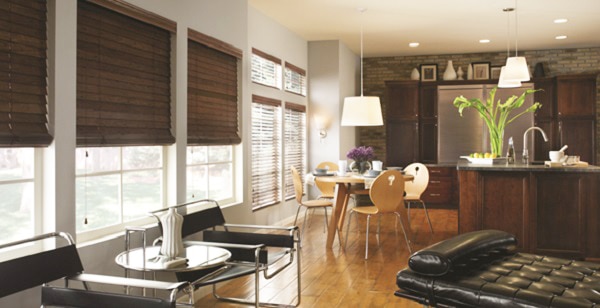
…really make a difference in creating a calm feeling of warmth. My Favorite Wood Blinds Woven Wood blinds are so classic yet are right at home in a modern, traditional or eclectic room. Some of my favorite Wood Blinds are our Blindsgalore Premium 2″ Wood Blinds. I love the weathered look in this collection with just enough texture to add interest without being overly decorated. For you “modernists,” this collection has a very cool, black painted op…
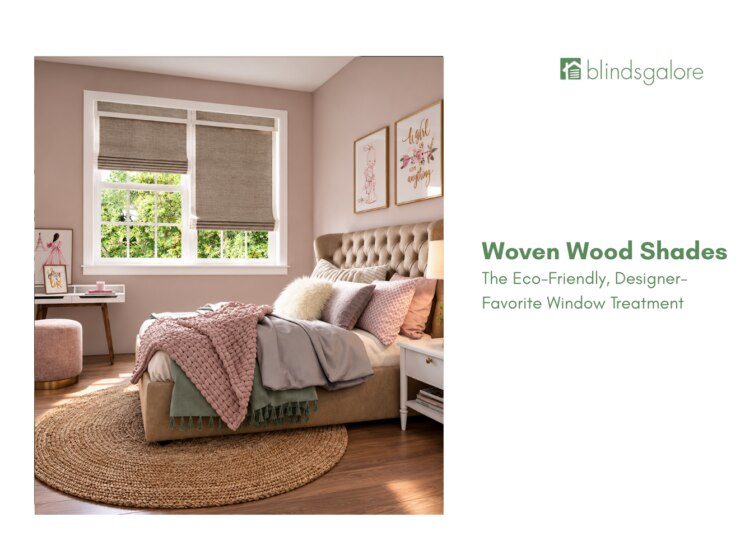
…orly ventilated rooms, develop mildew. Bamboo shades are a subset of woven wood shades. Woven wood covers all natural fiber weaves including jute, reed, rattan, and grasses. Bamboo is simply the most common and most durable material within that category. Woven wood filters light rather than insulating. An unlined weave offers modest thermal benefit. Adding a liner improves it. For meaningful insulation, a cellular shade is the stronger choice. Nat…
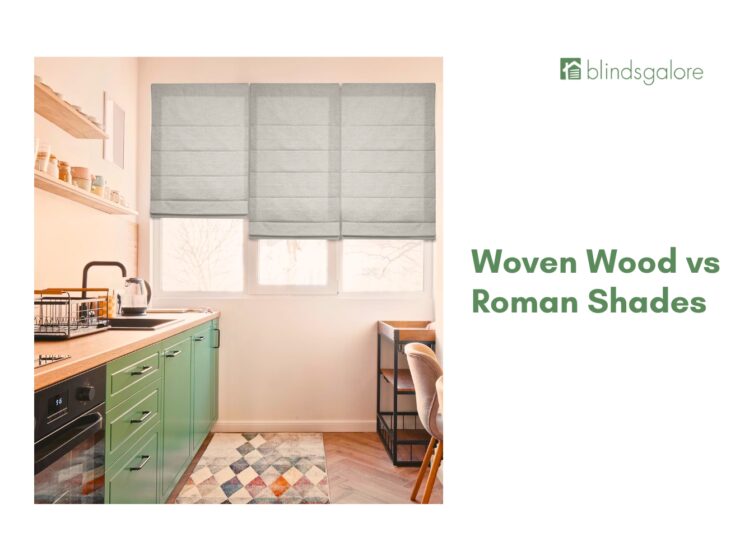
…ll up when raised. The material and the finish are where they split. Woven wood shades Woven wood shades are made from natural fibers like bamboo, jute, reeds, and grasses, woven into panels that bring raw, handcrafted texture to the window. The weave lets light filter through in a warm, dappled glow rather than blocking it outright. The Classi natural woven shades showcase that organic character in earthy tones, while the Luxera natural woven s…

…re at work, and they attack different parts of a blind. Humidity warps the wood Wood is hygroscopic, meaning it absorbs moisture from the air around it. The USDA Forest Products Laboratory’s Wood Handbook explains that wood takes on moisture from the surrounding environment, and the amount depends on the air’s relative humidity and temperature. As wood gains and loses moisture, it swells and shrinks. The Wood Handbook also notes that daily humidit…
…blinds. Wider slats than mini blinds (usually 2 inches across), built from wood, faux wood, aluminum, or vinyl, mounted in a metal headrail. The removal process is close to the standard horizontal walkthrough above, with a few Venetian-specific notes worth knowing before you start. Older Venetians lean heavily on visible box brackets, the kind with a hinged metal door on the front face. Pop the door with a flathead screwdriver, and the headrail sl…
…slats (if available) Clear tape for temporary fixes For Permanent Repairs: Wood glue (for wood slats) Super glue or epoxy (for vinyl/plastic slats) Clamps or heavy books for holding glued slats Fine-grit sandpaper (for wood slats) Touch-up paint or stain (optional, for wood slats) Safety Considerations: Work carefully with blinds. Ladder cords and lift cords can be tricky. If you’re not comfortable taking blinds down, you can often repair slats wh…
…one deals that can save 20-40% off regular prices. Premium materials (real wood vs. faux wood), motorization ($150-$250 extra), specialty shapes (25-100% premium), larger sizes (40-60% more for large windows), and smart home integration all significantly increase custom blinds cost. Designer fabrics and blackout materials also add to the total. Per-window cost depends on the material, the window size, the lift you choose, and any upgrades like mot…